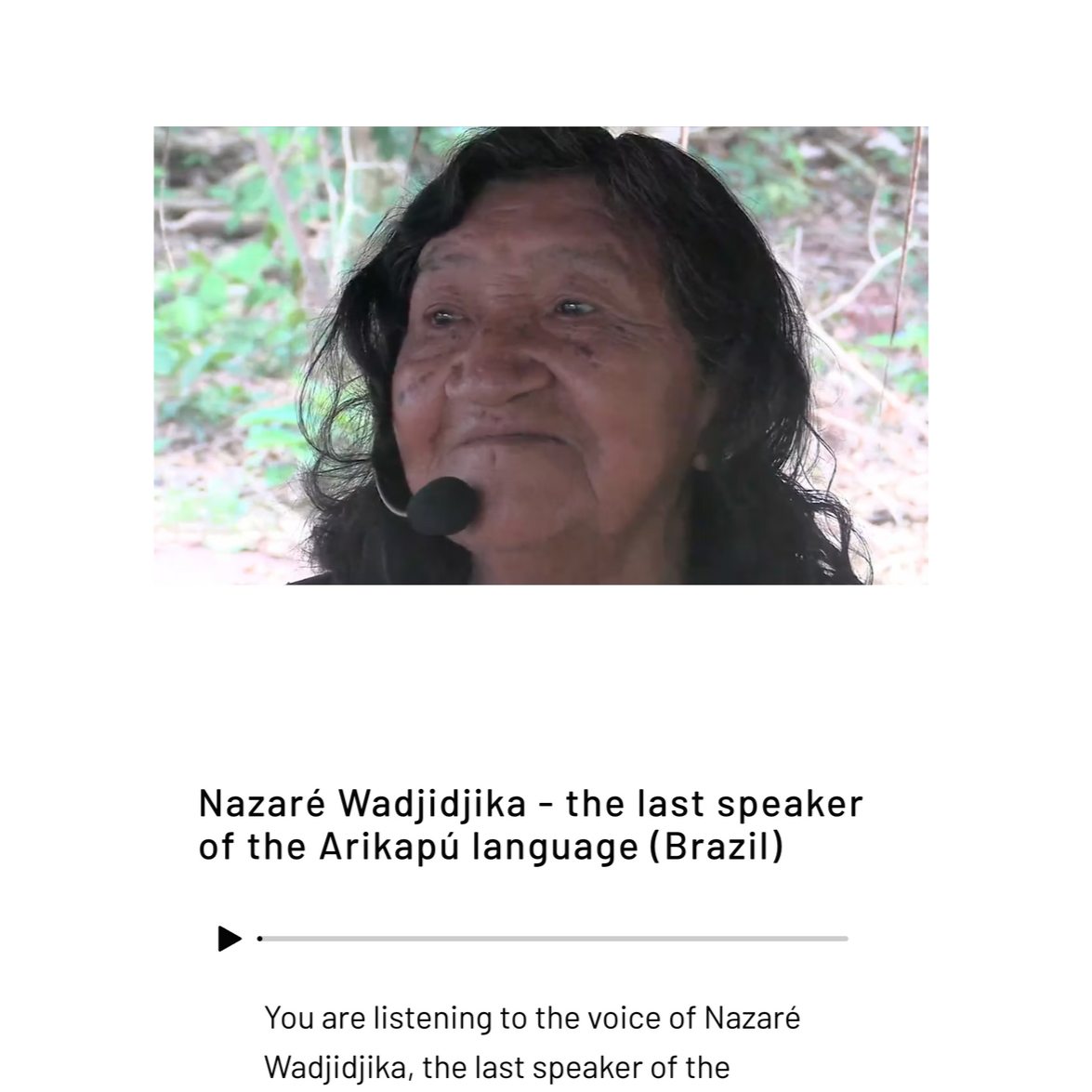
Babel Reclaimed | An installation and audio trail incorporating voices from The Endangered Languages Archive
Barbican | Festival of Endangered Languages | ELAR Archive
Note: due to the permissions around this work audio is available to listen to on request only.
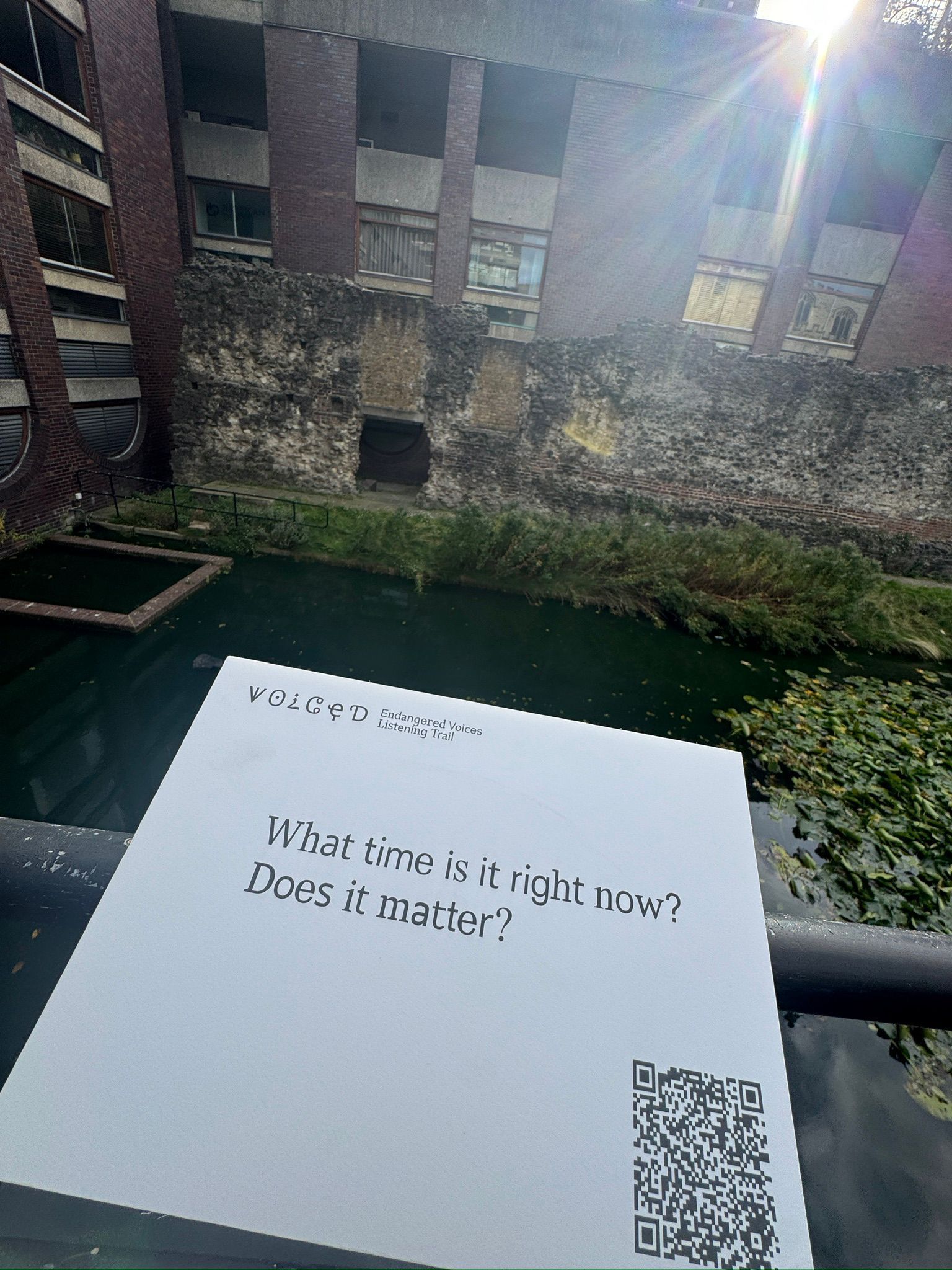
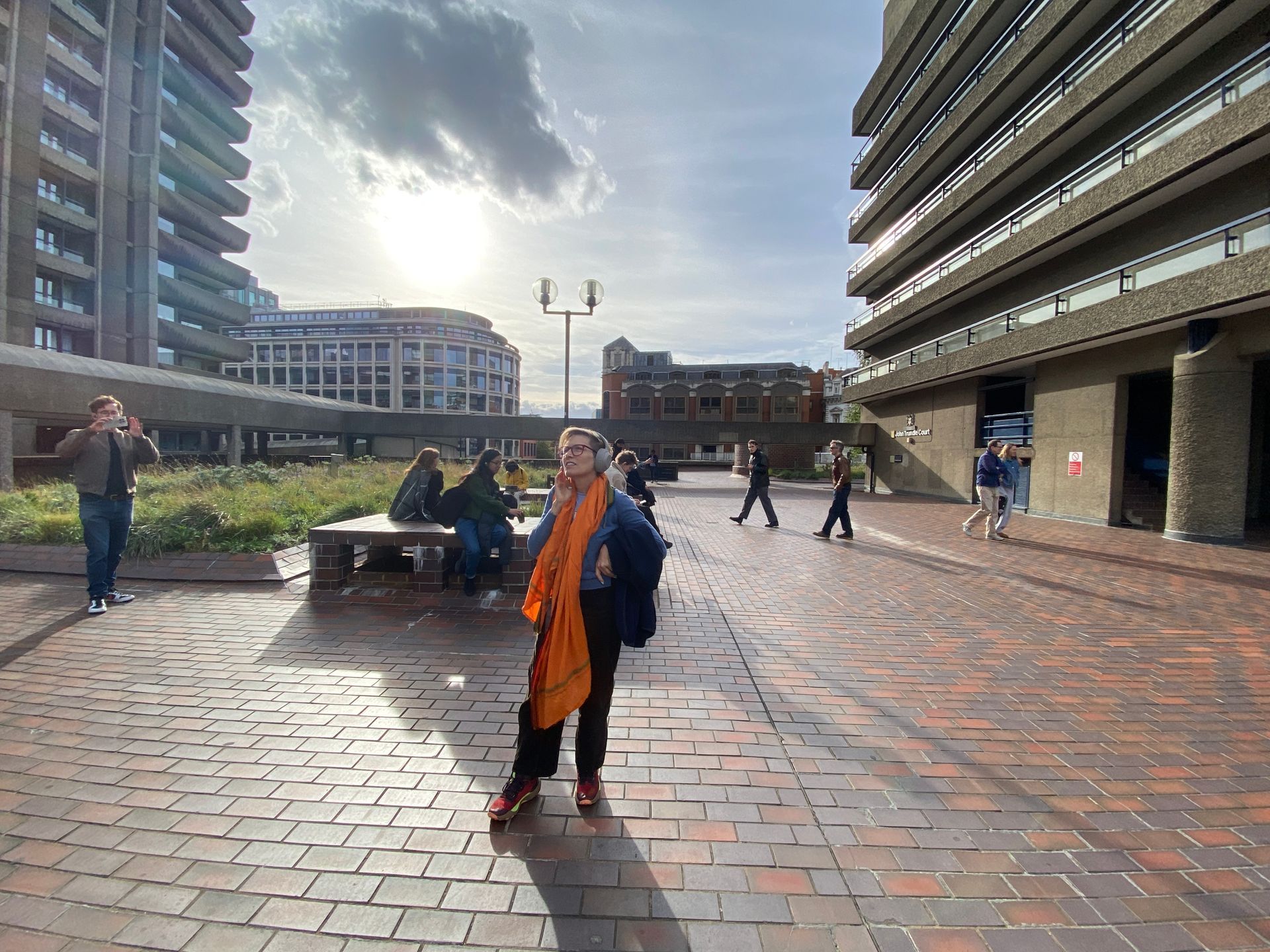
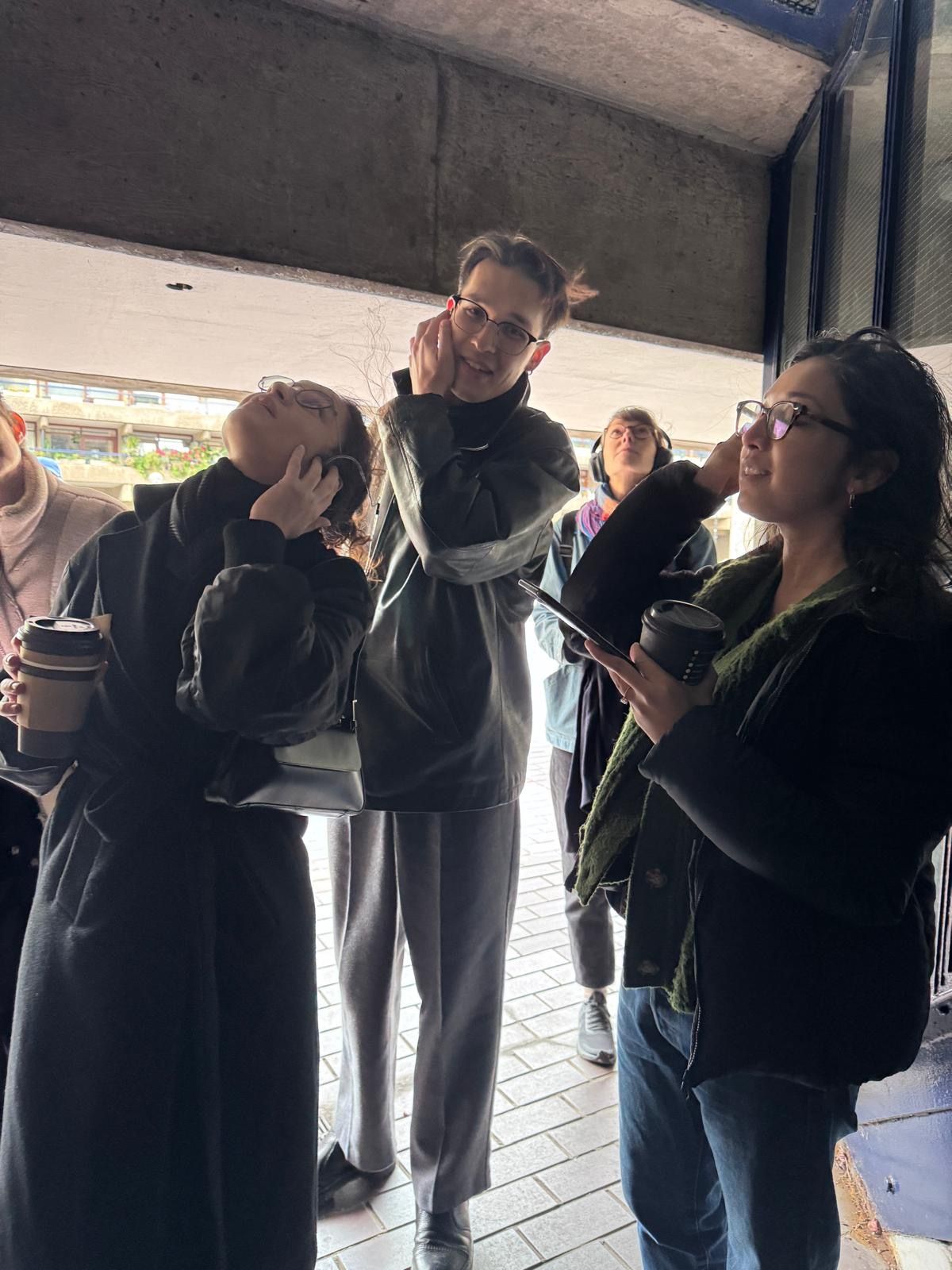
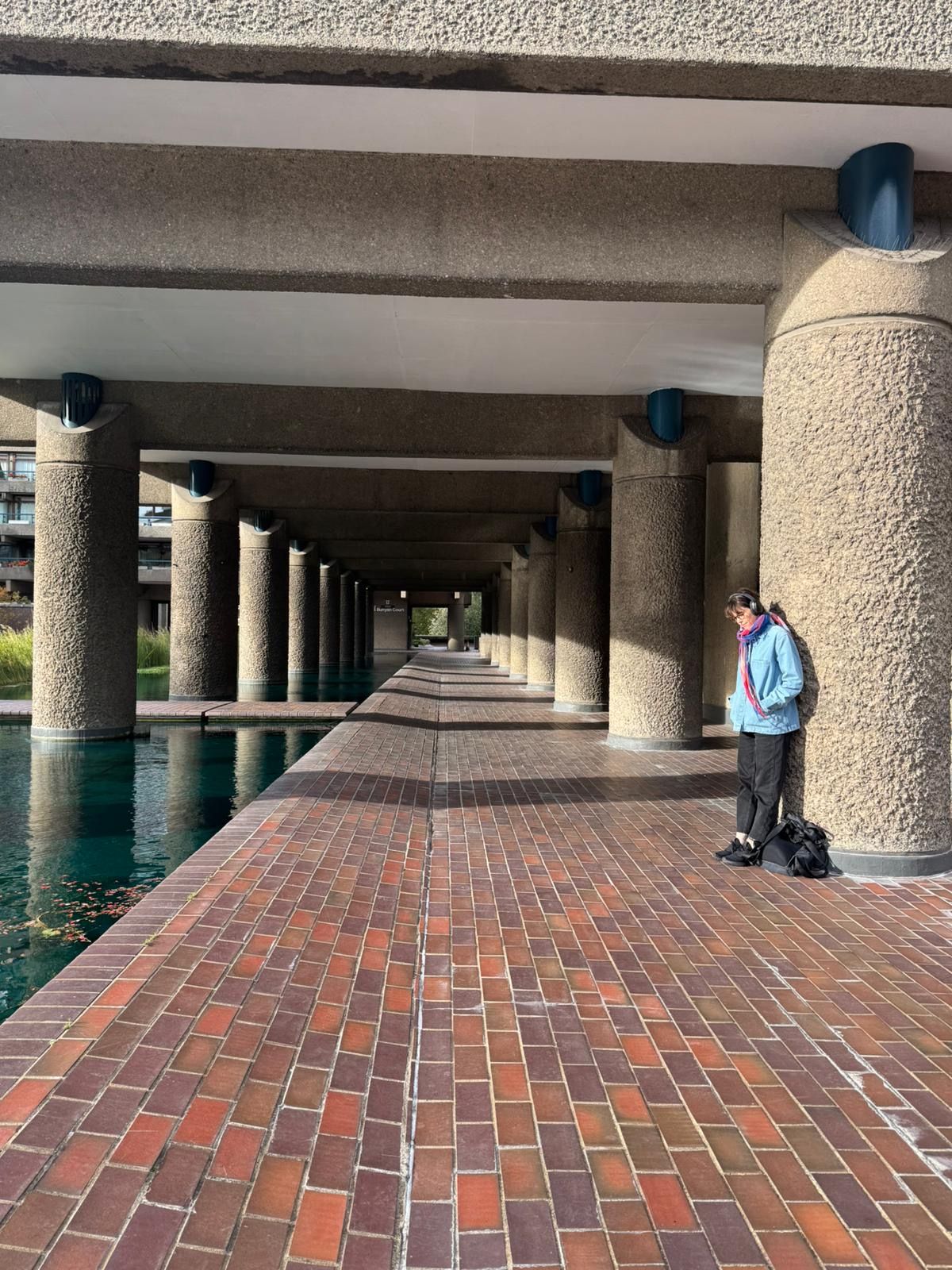
Babel Reclaimed is designed in two parts. Firstly an Endangered Languages Audio Trail that works with a space’s existing architecture, exhibits, themes and spaces. The trail is non-linear, and can be accessed via QR codes and headphones. The trail leads you to its centrepiece, titled Babel Reclaimed, an audio installation where listeners can hear an ocean of endangered languages rippling around the world.
Babel Reclaimed features over 500 endangered languages, with testimony from noted anthropological linguists and researchers, and seeks to gently decentre the listener from majority language ways of being.
The central installation piece creates a tapestry of voices that ripples around the world over a duration of 9.5 hours.
Listening Guide:
1. De-centre yourself - know you’re just one drop in an ocean of languages
2. Do not exoticise - respect voices as meaningful, not spectacles
3. Listen as - There is no other, no boundary between yourself and what you are listening to
4. Contextualize - Honour historical, cultural and ecological grounding
5. Be open – Allow yourself to be transformed by listening, not the other way around
1. De-centre yourself - know you’re just one drop in an ocean of languages
Recognise that your experience is not the centre of meaning. As you listen, especially to voices from endangered or marginalised communities, feel yourself as part of a much wider context of language, culture, and memory. Your presence is small amid an expanse of ways of being. Enjoy it.
2. Do not exoticise - resist stereotyping
Avoid treating sounds as “foreign”, “other”, or novelty. Instead of seeing them as objects of curiosity or spectacle, approach them with respect for their cultural depth and significance. Let them speak through their own logic and resonance.
3. Embrace relational, embodied listening
Move beyond ears alone. Listen with your body, your breath, even your heart. Rewilding listening is about entrainment with natural resonance - the sea, silence, the ground, in fact any sound at all. Let sound move through your body as meaningful experience, with no boundary between yourself and what you are listening to.
4. Center context - historical, ecological, cultural
Don’t treat sounds as decontextualised. Understand the histories, places, ecosystems, and power relations they inhabit. This grounded listening acknowledges that sounds carry lived, often colonial, histories, and that contextual awareness is essential.
5. Listen with humility and openness to transformation
Recognise your role is not to interpret or master, but to witness, learn, and be changed. Decolonial listening is an ongoing, reflexive practice—acknowledging power dynamics, letting suppressed voices surface, and allowing relational listening to reshape your understanding.
Audio trail examples: